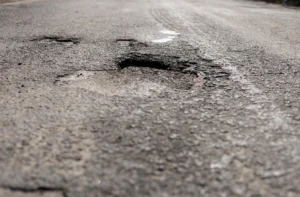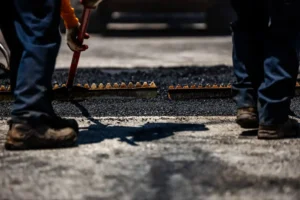

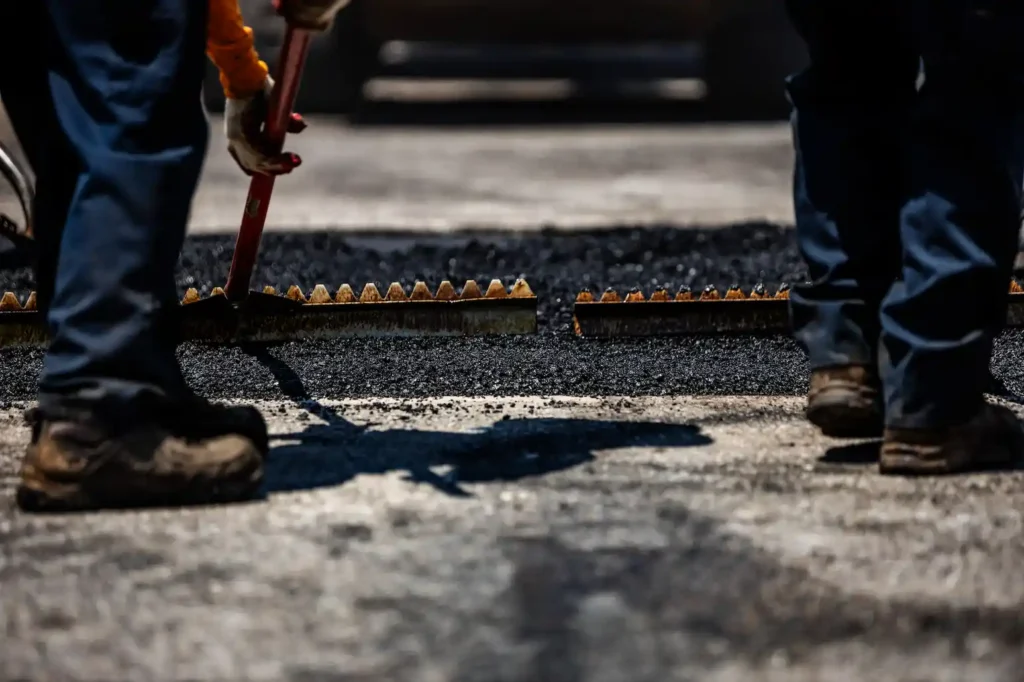
Asphalt patching restores damaged areas of commercial parking lots, access roads, and other paved surfaces. The goal is to address the cause of deterioration, not just cover visible damage.
Choosing the right asphalt patching technique depends on pavement condition, underlying support, drainage, traffic, and weather.
U.S. Pavement provides professional commercial pavement repair and maintenance services throughout Boston’s North Shore area. This guide explains common asphalt patching techniques and how to choose the right repair for your property.
What Determines the Right Asphalt Patching Technique?
Contractors look at several factors before choosing the best asphalt patching techniques:
- Damage depth: Surface damage needs a different repair than damage that reaches the layers underneath.
- Pavement condition: Potholes, fatigue cracking (connected cracks caused by repeated traffic), and raveling (loose or crumbling asphalt) require professional inspection.
- Drainage: Standing water and poor drainage expedite asphalt damage over time.
- Traffic: Heavy trucks, delivery vehicles, and frequent traffic put more stress on repaired asphalt.
- Weather and access: Temperature, material availability, and business hours affect when crews can complete repairs.
- Size of damaged area: Small areas may only need patching, while widespread damage may require resurfacing.
Some repairs provide a temporary fix, while others address the cause of the damage. Regular parking lot maintenance helps catch pavement problems early. Services like sealcoating protect your existing asphalt but aren’t meant to fix more serious damage.
Asphalt Patching Techniques and Their Uses
Several asphalt patching techniques address different types of damage, each with its own benefits and limits.
Hot Mix Asphalt Patching
Hot mix asphalt patching uses heated asphalt to replace damaged pavement. Crews remove the damaged asphalt, prepare the area, install fresh hot mix, and compact it to create a firm surface. This method works well for planned parking lot and roadway repairs. It provides a lasting repair when the surrounding pavement and supporting layers are in good condition.
Hot mix asphalt requires the right temperatures and proper delivery. Cold weather can make scheduling harder, especially during winter.
Cold Patch Asphalt
Cold patch asphalt doesn’t need to be heated before use. Crews often use it for urgent pothole repairs or when hot patch asphalt is not available.
Cold patching is often a temporary solution. The repair still needs proper cleaning and compaction to hold up under traffic. Some cold patch products last longer than others, but their performance depends on the material and pavement condition.
Infrared Asphalt Patching
Infrared asphalt patching uses special equipment to heat and soften existing asphalt. Crews then mix the heated material with fresh asphalt as needed and compact the repaired area.
This method works well for small potholes and surface damage when the pavement underneath is stable. Infrared repairs bond the new material with the surrounding asphalt, creating a strong, lasting repair without removing the entire damaged section.
However, infrared patching cannot fix weak ground or major damage below the surface.
Spray Injection Patching
Spray injection patching uses specialized equipment to fill potholes with a mixture of aggregate and asphalt emulsion.
The process generally involves:
- Cleaning loose debris from the damaged area
- Applying asphalt emulsion to the repair surface
- Injecting a mixture of aggregate and emulsion into the void
- Finishing the repair with a layer of aggregate
Crews often use this method to repair several potholes during planned maintenance work. It works best when the pavement underneath is stable and does not fix more serious damage.
Partial-Depth vs. Full-Depth Asphalt Patching
Choosing an asphalt patching technique is only part of the repair process. Contractors must also decide how much damaged asphalt to remove.
Partial-Depth Asphalt Patching
Partial-depth asphalt patching removes and replaces only the damaged upper portion of the asphalt. This method works when the damage does not reach the base and when the pavement underneath is still strong.
Crews remove the damaged material, clean and prepare the area, install fresh asphalt, and compact it.
If the damage extends deeper, the area may need a full-depth repair.
Full-Depth Asphalt Patching
Full-depth asphalt patching removes the entire thickness of damaged asphalt. Crews also repair the supporting layers underneath if needed. Contractors often use this method for serious damage, such as repeated potholes, connected cracks, or areas that keep sinking.
The process typically includes:
- Removing all damaged asphalt
- Checking the layers underneath for problems
- Repairing weak or damaged materials as needed
- Preparing the area and installing fresh asphalt
- Compacting the new material to create a firm surface
Full-depth patching does not always require digging into the soil below the pavement. The amount of work depends on the damage. The goal is to address the cause, not just replace the damaged asphalt. If large areas have failed, resurfacing may be a better choice.
Cold Patch vs. Hot Patch Asphalt
Cold patch and hot mix asphalt serve different repair needs. The right choice depends on the urgency of the damage, weather conditions, pavement condition, and expected traffic.
| Factor | Cold Patch Asphalt | Hot Mix Asphalt Patching |
|---|---|---|
| Material handling | Does not need heated delivery | Must be delivered and installed hot |
| Preparation and compaction | Needs cleaning and compaction | Needs proper preparation and compaction |
| Weather | Useful when hot mix is unavailable | Requires suitable weather and temperatures |
| Common use | Urgent or temporary pothole repairs | Planned, longer-lasting repairs |
| Durability | Depends on the product and conditions | Generally lasts longer when installed correctly |
| Cost | May cost less upfront | Often requires more equipment and preparation |
Cold patch asphalt is often a temporary solution, while properly installed hot mix repairs generally offer better long-term performance. However, neither method will permanently resolve damage caused by an unstable foundation.
Common Asphalt Patching Mistakes
Even the right asphalt patching techniques can fail when contractors overlook preparation or underlying pavement problems.
Common mistakes include:
- Ignoring recurring damage: Repeatedly filling potholes without identifying drainage problems or unstable supporting materials.
- Choosing the wrong repair depth: Leaving deteriorated asphalt beneath a new patch, allowing damage to continue.
- Skipping proper surface preparation: Failing to clean the repair area, prepare edges, or use tack coat where required to bond new asphalt to existing pavement.
- Inadequate compaction: Leaving repair material poorly compacted, increasing the risk of settlement and premature deterioration.
- Overlooking drainage and traffic: Selecting a repair without considering standing water, heavy vehicles, or repeated loading.
Choosing the Right Asphalt Patching Technique for Your Property
The best asphalt patching technique depends on the type of damage, pavement condition, traffic, and weather. Fixing the cause helps prevent repeat repairs and added costs.
U.S. Pavement helps commercial property managers assess damaged asphalt and choose the right repair. Our team can determine whether patching, resurfacing, or more extensive work makes the most sense for your property.